Greenville, MI Tree Service Guide: Removal, Trimming & Cleanup
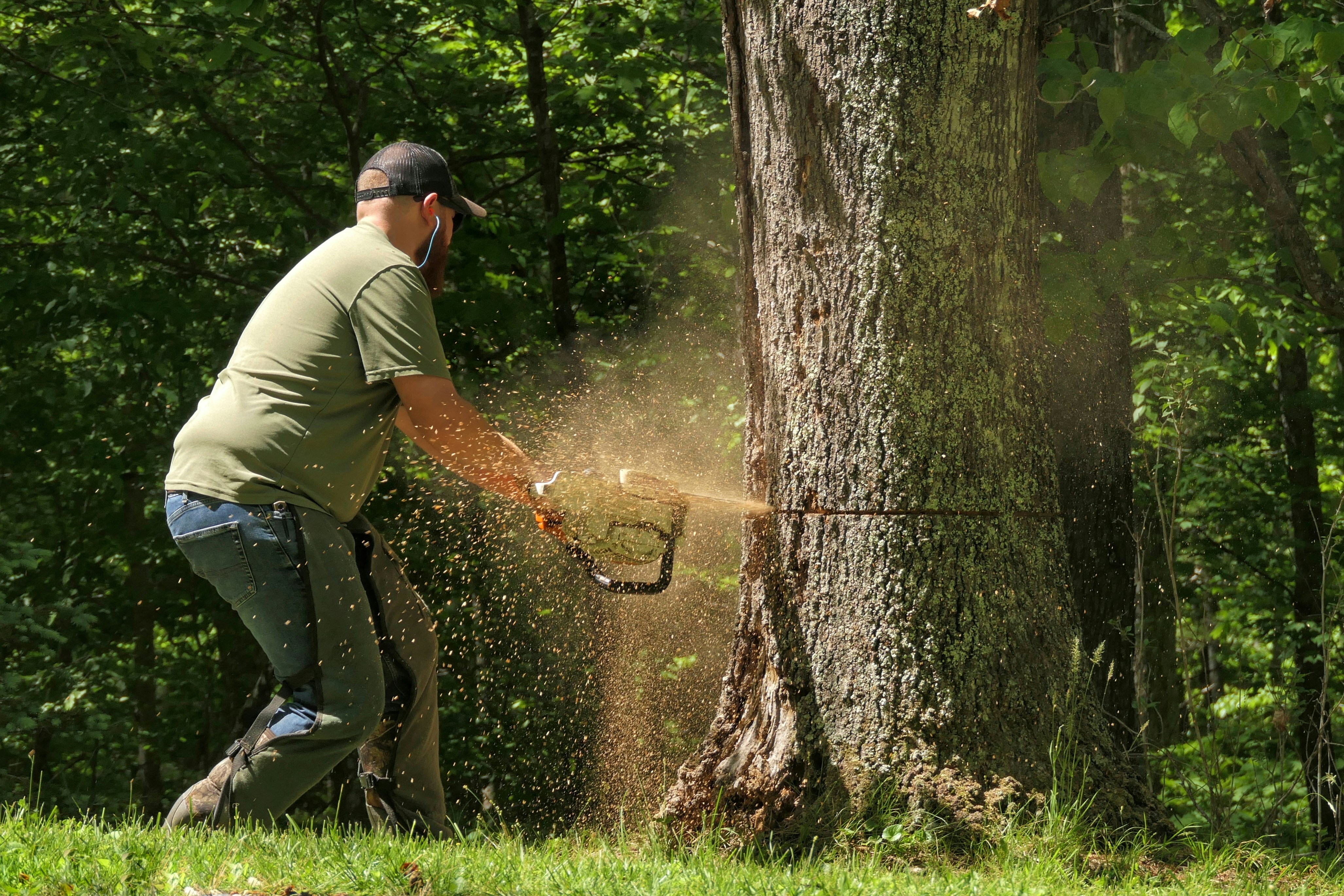
Greenville, Michigan, is a small city in Montcalm County, set along the Flat River about 30 miles northeast of Grand Rapids. Streets here are lined with mature maples, oaks, and pines, which give neighborhoods their charm but also bring real maintenance needs. This guide covers tree removal, trimming, and cleanup for Greenville homeowners, including when to act, what to expect, how to hire a professional, and how to care for your trees through every season. If you are looking for a local professional right away, click here. Details such as pricing, rules, and availability can change, so confirm everything before making big decisions.
Why Tree Care Matters in Greenville
Michigan weather is tough on trees. Heavy snow, ice storms, strong summer winds, and wet springs all put stress on trunks, branches, and roots. A tree that looks fine in July can become a hazard after one bad winter storm.
Regular care protects your home, vehicles, and family. It also helps trees live longer, keeps your yard looking tidy, and can prevent costly repairs to roofs, fences, and power lines.
Signs a Tree Needs Professional Attention
Not every problem means a tree has to come down, but some warning signs should not be ignored.
- Dead or hanging branches: Branches with no leaves in the growing season or those that are cracked and hanging can fall without warning.
- Leaning trunk: A sudden lean, especially with soil heaving at the base, may signal root failure.
- Cracks or cavities: Deep splits in the trunk or large hollow areas can weaken the whole tree.
- Fungus or mushrooms at the base: This often points to internal decay.
- Branches near the house or power lines: Limbs touching roofs, siding, or utility lines need prompt, careful handling.
- Storm damage: Snapped limbs, split trunks, and uprooted trees should be assessed as soon as it is safe.
Tree Removal: When It Is the Right Choice
Removal is usually the last option, but it is sometimes the safest. A tree that is dead, severely diseased, structurally unsound, or too close to a building may be better removed than saved.
Professional crews plan removals carefully. Depending on the location of the tree, they may cut it down in sections, use ropes and rigging to lower pieces safely, or bring in a crane when space is tight or the tree sits over a structure. Attempting a large removal yourself is dangerous, so it is best left to trained and insured crews.
Stump Grinding
After a tree is removed, the stump remains. Stump grinding removes it below ground level so you can replant, lay sod, or simply clear the space. Ask whether grinding is included in the quote or priced separately.
Tree Trimming and Pruning
Good trimming improves a tree's health, shape, and safety. Pruning removes dead or weak branches, lets light and air reach the canopy, and reduces the risk of limbs breaking in storms.
- Crown cleaning: Removes dead, diseased, or damaged branches.
- Crown thinning: Selectively removes limbs to improve airflow and reduce wind resistance.
- Clearance pruning: Keeps branches away from roofs, driveways, walkways, and utility lines.
- Shaping: Maintains a balanced, attractive appearance for ornamental trees.
Avoid "topping," which means cutting large branches back to stubs. It stresses the tree, encourages weak regrowth, and often shortens its life.
Storm Cleanup and Emergency Service
After a storm, fallen limbs and downed trees can block driveways, damage property, and create hazards. If a tree is touching a power line, stay far away and contact the utility company first. Do not attempt to move it yourself.
For cleanup, a professional crew can safely cut and haul away debris, clear access to your home, and assess which trees are still stable. Take photos of any damage before cleanup begins, since you may need them for an insurance claim.
The Best Time of Year for Tree Work
- Winter: With leaves gone, structure is easy to see, and frozen ground can reduce lawn damage during heavy work. Many pruning jobs are well suited to the dormant season.
- Spring: A good time to inspect for winter damage. Avoid heavy pruning of certain species during active sap flow.
- Summer: Ideal for removing dead limbs, which are easy to spot when other branches are in leaf.
- Fall: A practical time to prepare trees for winter storms and clear branches before snow arrives.
Hazardous trees should be handled right away, no matter the season.
How to Choose a Tree Service in Greenville
Because tree work involves heavy equipment and real risk, the company you hire matters. Keep these points in mind:
- Insurance: Ask for proof of liability and workers' compensation coverage.
- Experience and equipment: Look for a crew with the right tools, including rigging gear and, when needed, a crane.
- Written estimates: Get a clear quote that lists the work, cleanup, and stump grinding if wanted.
- Local reputation: Read recent reviews and ask neighbors for recommendations.
- Clear communication: A good company explains the plan, timeline, and any risks up front.
- Be cautious of door-to-door offers: Unexpected visitors who pressure you to decide quickly are a red flag, especially after storms.
What Affects the Cost
Tree service pricing varies from job to job. Common factors include tree size and height, location and access, how close the tree is to buildings or power lines, the condition of the tree, whether a crane is needed, and whether you want stump grinding and debris hauling. Compare more than one written estimate, and focus on value and safety rather than only the lowest price.
Check Local Rules Before You Start
Some cities have guidelines about removing certain trees, especially those in the public right-of-way or near utilities. Before major work, check with the City of Greenville or your local township to see whether any permits or restrictions apply to your property.
Caring for Your Trees Year-Round
A little routine care goes a long way toward avoiding big problems.
- Inspect regularly: Walk your yard each season and look for dead branches, cracks, or leaning.
- Mulch properly: Spread a few inches of mulch around the base, keeping it from touching the trunk.
- Water during dry spells: Young trees especially need steady moisture in hot, dry weather.
- Protect the roots: Avoid piling soil, parking heavy vehicles, or digging close to the trunk.
- Prune early: Fixing small structural problems while a tree is young prevents bigger issues later.
- Plant the right tree in the right place: Consider mature size before planting near homes or utility lines.
Enjoying Greenville Once the Work Is Done
Once your yard is safe and tidy, it is a great time to enjoy what the area has to offer. Greenville has lakeside walks, scenic trails, and plenty of family-friendly spots. To explore ideas for outings, learn more about the best places to visit in town.
Quick Reference
- Warning signs: Dead branches, leaning trunks, cracks, fungus, and branches near the house or power lines.
- Services: Removal, trimming, stump grinding, storm cleanup, and emergency response.
- Hiring tips: Verify insurance, get written estimates, and check local reviews.
- Safety: Never handle large removals or downed power lines yourself.
- Prevention: Inspect each season, mulch, water, and prune early.
This guide is a general starting point. Always verify details with licensed professionals and local sources before major work.
Frequently Asked Questions
How do I know if a tree should be removed?
Trees that are dead, severely diseased, leaning sharply, or structurally damaged are often candidates for removal. A professional can inspect the tree and tell you whether it can be saved or should come down.
When is the best time to trim trees in Michigan?
Many trees are best pruned during the dormant season in late fall through winter, though dead or dangerous branches can be removed any time of year. The ideal timing depends on the species.
Does tree removal include stump grinding?
Not always. Stump grinding is often a separate service, so ask for it to be listed clearly in your estimate.
Can I remove a large tree myself?
It is not recommended. Large removals involve falling limbs, heavy equipment, and risks near buildings and power lines. Hiring an insured professional is the safer choice.
What should I do after a storm drops a tree on my property?
Stay clear of power lines, document the damage with photos, and call a professional for cleanup. If the tree is on a structure or blocking access, treat it as urgent.
How much does tree service cost in Greenville?
Costs depend on the size, condition, and location of the tree, equipment needs, and cleanup requirements. Request written estimates from more than one company to compare.
How can I keep my trees healthy?
Inspect them each season, mulch correctly, water during dry periods, prune early, and call a professional at the first sign of trouble.